DIY Bentonite Clay Mask for Oily Skin: The Ultimate Detoxifying Treatment
Dealing with oily skin can be a constant battle between managing shine and preventing breakouts. If you’re looking for a natural solution that actually works, bentonite clay might become your new best friend. This powerful, mineral-rich clay has been used for centuries to draw impurities from the skin and restore balance to overactive oil production.
Why Bentonite Clay Works Wonders for Oily Skin
Bentonite clay has a unique negative electrical charge when activated with water. This allows it to attract positively charged toxins, excess sebum, and impurities from your skin. The clay essentially acts like a magnet, pulling out what doesn’t belong while delivering minerals your skin needs.
For those with oily skin, this clay mask can:
- Absorb excess oil without overdrying
- Draw out impurities from deep within pores
- Reduce the appearance of pores over time
- Help prevent future breakouts
- Give skin a matte, refreshed appearance
DIY Bentonite Clay Mask Recipe for Oily Skin
Ingredients:
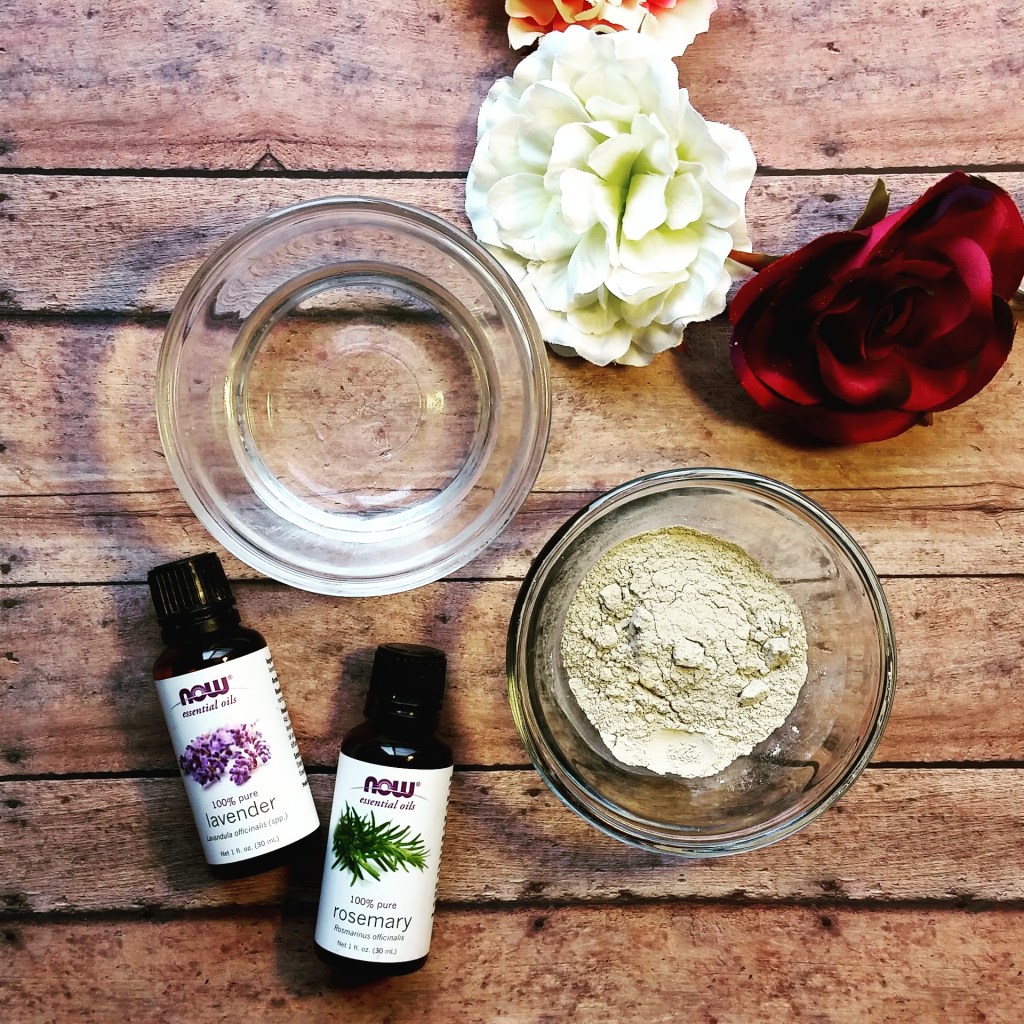
- 2 Tablespoons Natural Bentonite Clay
- 1 – 1½ Tablespoons Distilled Water (add gradually)
- 1 Drop Rosemary Essential Oil
- 1 Drop Lavender Essential Oil
Materials:
- Non-metal bowl (glass, ceramic, or plastic)
- Non-metal mixing utensil (wooden or plastic spoon)
- Face cloth
Important Note: Always use non-metal bowls and mixing utensils when working with bentonite clay. Metal can react with the clay and reduce its effectiveness by neutralizing its electrical charge.
Step-by-Step Instructions
- Prepare your workspace by gathering all ingredients and materials.
- Measure the clay into your non-metal bowl.
- Add water gradually – This is crucial! Start with just 1 tablespoon of distilled water and mix thoroughly. Add additional water in small increments until you achieve a smooth, spreadable consistency that’s not too runny. The mask should be thick enough to stay in place but fluid enough to spread easily on your skin.
- Add essential oils once your clay and water are well combined. Rosemary and lavender oils offer antimicrobial properties while helping to balance oil production.
- Mix thoroughly until all ingredients are well incorporated.
Application & Treatment Tips
- Start with clean skin – Remove makeup and cleanse your face before applying the mask.
- Apply evenly to your face using clean fingertips or a facial mask brush, avoiding the eye area and lips.
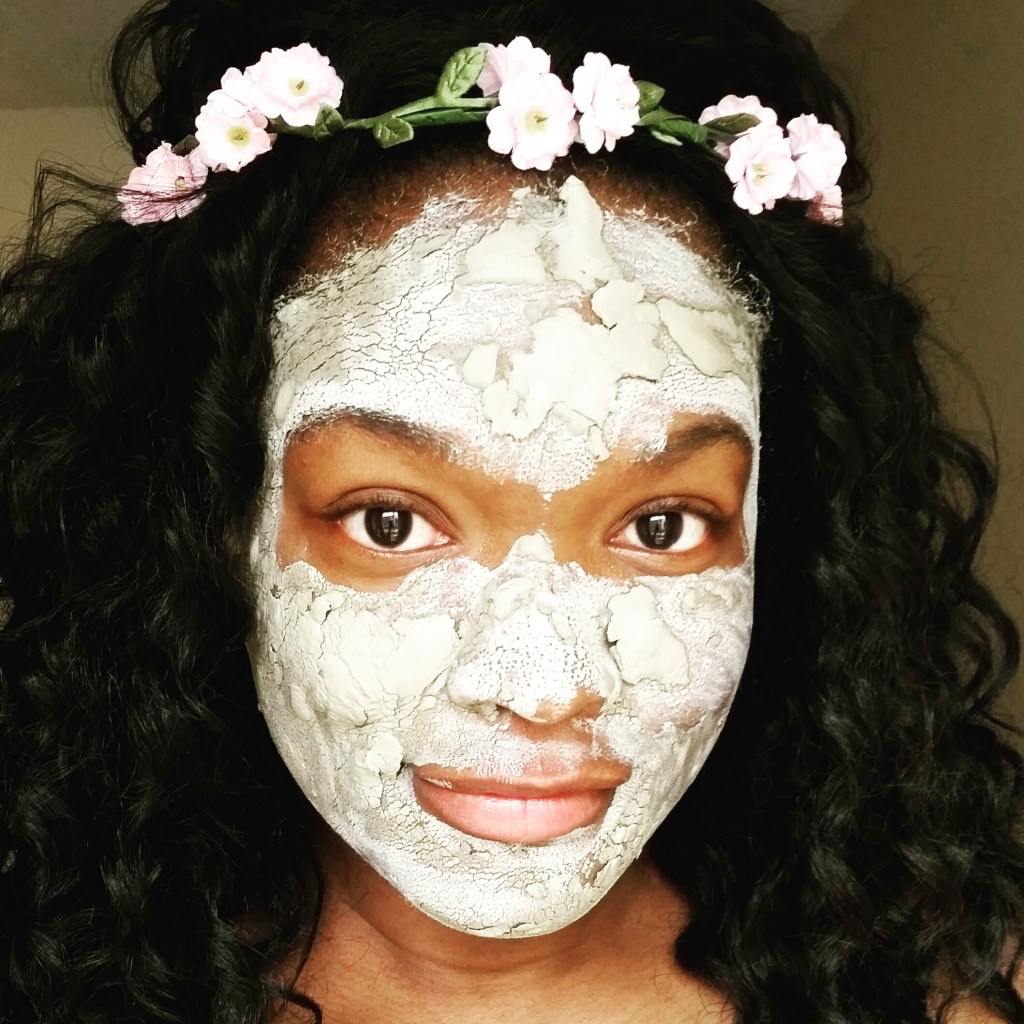
- Leave on for 15-20 minutes – You’ll likely feel a tightening and pulsating sensation as the clay dries. This is normal and indicates the clay is working!
- Remove gently using a warm, wet cloth in circular motions. Avoid scrubbing or pulling at your skin.
- Follow with toner and moisturizer – Even oily skin needs hydration after a detoxifying treatment.
What to Expect
When you first remove the mask, you may notice some temporary redness. This is normal and typically subsides within about 20 minutes as your skin calms down from the increased circulation the mask provides.
If you’re new to bentonite clay masks, your skin might go through a brief “purging” period where you experience some breakouts or temporarily increased oiliness. This is actually a positive sign that the clay is drawing impurities from deep within your pores. This purging phase usually lasts about a week before your skin begins to show improvement.
With regular weekly use, you’ll likely notice:
- Smoother skin texture
- More balanced oil production
- Fewer breakouts
- Smaller-appearing pores
- A healthy, natural glow
Customizing Your Mask
One of the wonderful things about creating your own clay masks is the ability to customize them for your specific skin concerns. While this basic recipe works beautifully for oily skin, you can switch out the essential oils to address different needs:
- For acne-prone skin: Try tea tree oil (antimicrobial) or frankincense (anti-inflammatory)
- For enlarged pores: Consider lemon or grapefruit essential oil (astringent properties)
- For sensitive oily skin: Use chamomile or sandalwood oil (soothing)
Just remember to keep essential oils to 1-2 drops total, as they are highly concentrated.
Frequency Recommendations
For most people with oily skin, using this mask once a week provides optimal results without over-drying. If your skin is extremely oily or you’re dealing with significant acne, you might gradually work up to twice weekly applications, but always monitor how your skin responds.
Storage Tips
This recipe is designed for single use, as the clay begins to lose potency once mixed with water. For best results, mix fresh each time you plan to use a mask.
Final Thoughts
Natural skincare approaches like this bentonite clay mask offer a gentle yet effective way to manage oily skin without harsh chemicals. By incorporating this weekly treatment into your skincare routine, you’re giving your skin the chance to find its natural balance.
Have you tried bentonite clay for your oily skin concerns? What essential oil combinations work best for your skin? Share your experiences in the comments below!
This post contains general information about skincare and is not intended to diagnose or treat any medical conditions. Always perform a patch test before applying new ingredients to your face, especially if you have sensitive skin or allergies.

