“There are few hours in life more agreeable than the hour dedicated to the ceremony known as afternoon tea.” — Henry James
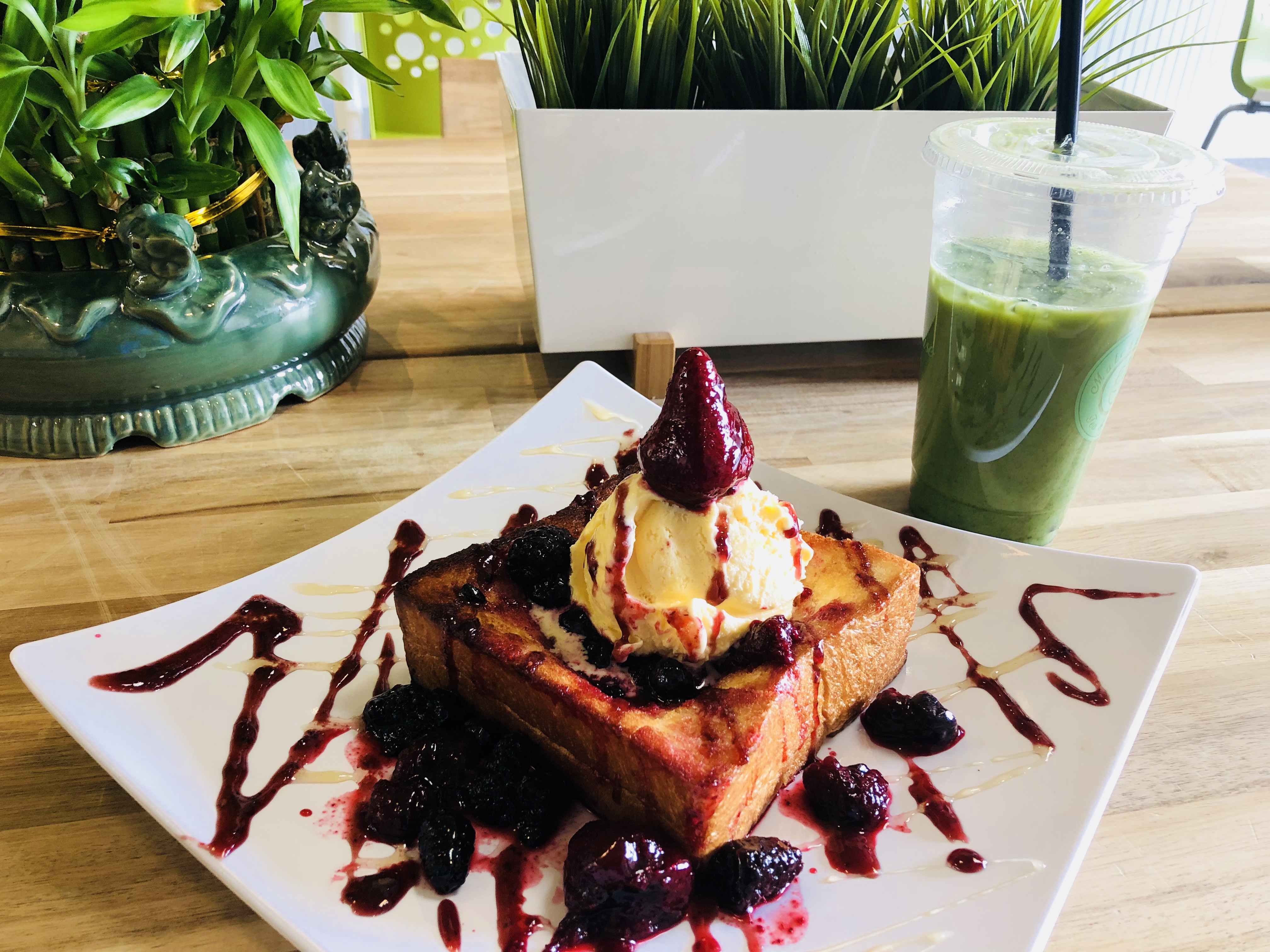
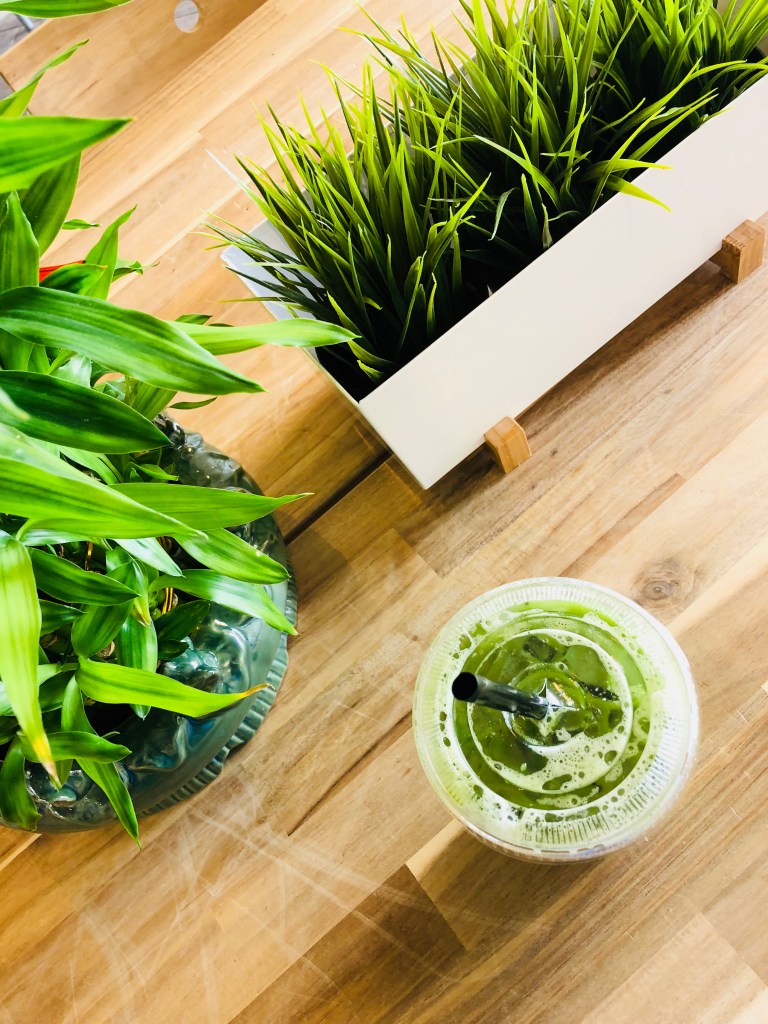
This quote rings especially true when the tea in question is a frothy, vibrant green matcha latte. I experienced this delightful ritual firsthand during a recent visit to Matcha House Tea and Sweets, where I indulged in a hot matcha latte made with creamy almond milk. It did not disappoint.
For the uninitiated, you may be wondering: what exactly is matcha?
If you’ve ever stumbled upon a weirdly green pastry, ice cream, or macaroon on Instagram, there’s a high probability one of the main ingredients is matcha. Many, many moons ago, the Japanese were the first on record to invent the act of drinking whole green tea leaves.
After the stems and veins are removed from the leaves, the whole leaves are then stone-ground.
This leaf powder, matcha, is commonly added to a heated bowl with hot water and whisked with a bamboo whisk until froth forms at the top. The amount of water used depends on the desired thickness of the tea and personal taste and preparation preference.
Benefits of Matcha
A much more concentrated source of nutrients, matcha tea is said to contain over 100x more antioxidants than traditional steeped green tea. These antioxidants reduce inflammation, stimulate the release of toxins in the colon, and reduce allergic responses. The EGCG (epigallocatechin gallate – a powerful antioxidant) in matcha tea penetrates the blood-brain barrier, helping boost the immune system to fight viruses like HIV. EGCG also reduces inflammation to protect your arteries against degeneration.
The active ingredients and compounds in matcha fight bacteria and fungi, can prevent and/or slow the progression of cancer, may reduce high blood sugar levels, and can even protect the brain against degeneration, lowering the risk of Alzheimer’s and Parkinson’s. Your body will burn fat faster as a result of increased metabolism, you may experience a more relaxed mood, and you might catch yourself retaining information a bit better.
Green tea boosts eyesight, reduces the damage caused by UV rays, and can stimulate the mineralization of weak bones.
Simple Tea Prep
A simple preparation consists of 1 teaspoon of matcha powder to 2 ounces of hot water.



Possible Side Effects
For the caffeine sensitive, it’s important to know that matcha tea has slightly higher caffeine content than regular green tea. I drink matcha throughout the day and never experience the caffeine jitters, but still, food for thought.
Also, because you are ingesting the whole leaf, you are at greater risk for liver toxicity if matcha is consumed in too large a quantity over an extended period of time. Depending on your personal tolerance level, you may experience nausea, diarrhea, or kidney toxicity. I’m sure you’ll find many people drinking much more without complaint, but as a general rule, no more than 2 cups of matcha tea should be ingested each day.

